
 1 month ago
12
1 month ago
12
When the United States men's national team defeated Paraguay 4-1 in its World Cup opener, it was the team’s best performance since its 5-1 win over Uruguay in November. When only looking at competitive games, one would have to go back years to find a performance as strong. The puzzling aspect of the U.S. team is that it looked far from ready to compete in March, when it played poorly in losses to Belgium and Portugal.
So, what changed? Why was the team able to play much better soccer now than in March? What has Mauricio Pochettino done differently?
Well, for starters, we can’t get too far ahead of ourselves as it was just one very good game, specifically one half, into this tournament. In the World Cup, just because a team starts off well doesn’t guarantee anything. Just ask Saudi Arabia in 2022 after its win over Argentina in its first game.
That being said, there is a lot of excitement, optimism and energy surrounding the U.S. team right now, and that is a good thing. And here is specifically where the team appears to be much better than three months ago.
1. Tyler Adams Is Back
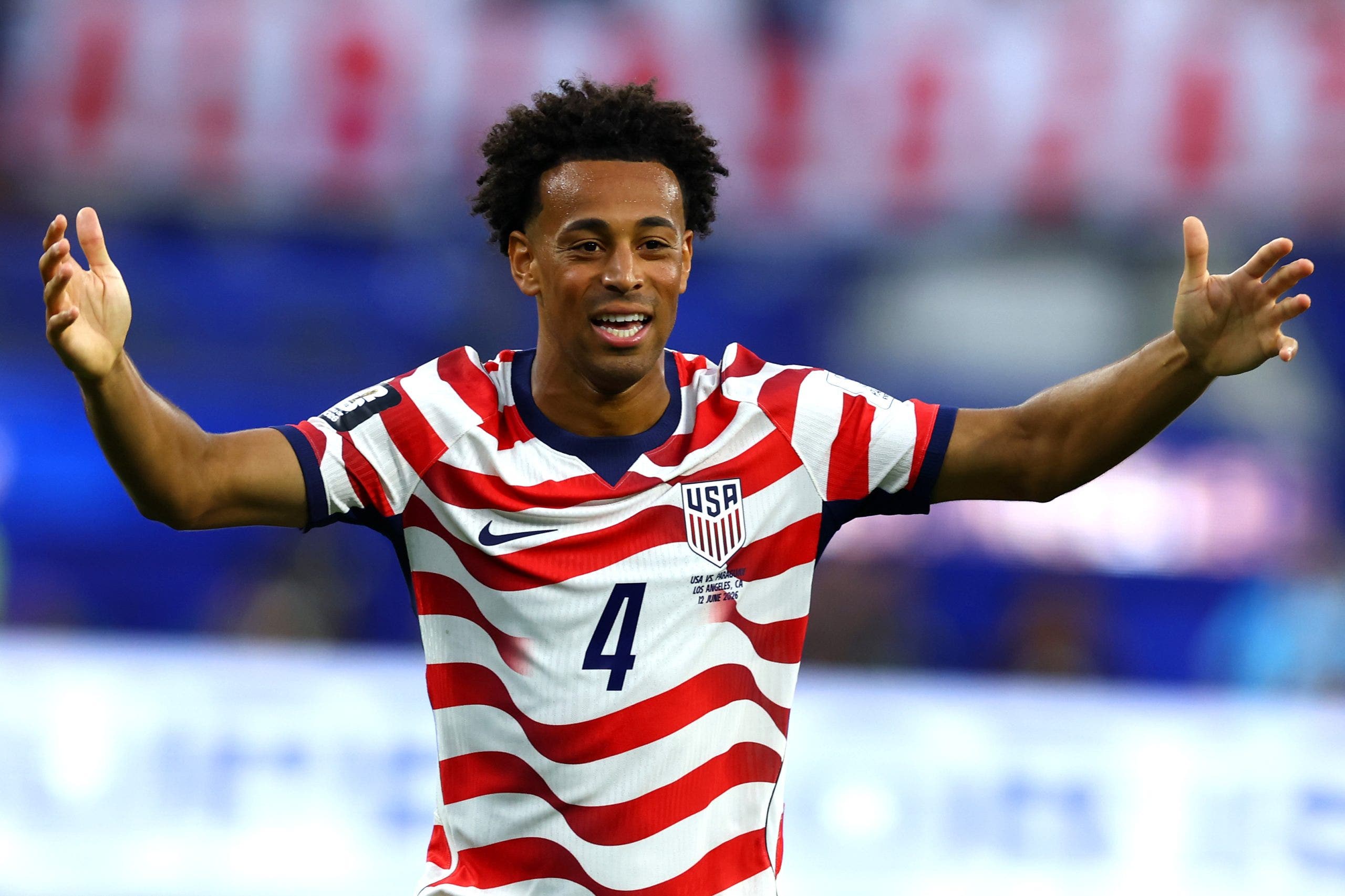
(Photo by Chris Brunskill/Fantasista/Getty Images)
There is a very good argument that Tyler Adams is the most essential player to the U.S. team’s success. He has no proven backup, and if he is not on the field, the U.S. team must change its entire tactical approach. Adams was not on the March roster due to injury and was immediately noticeable.
What Adams does is shield the backline, cover tons of ground defensively and doesn’t make many mistakes with the ball. His passing is typically not very ambitious, but he does provide the players in front of him with a lot of comfort.
Throughout his career, Adams has dealt with injuries, but he has a good habit of getting healthy at the right time. He was injured for the March friendlies, but he finished the season very strongly at AFC Bournemouth, helping the team to its first qualification for a European tournament. And he arrived at the World Cup camp in great form.
Against Paraguay, Folarin Balogun and Christian Pulisic earned much of the attention, but Adams played a big part in why Paraguay struggled to get the ball into the final third. The statistics back it up. Adams won seven of 10 ground duels, had two interceptions, added four clearances and drew three fouls. Adams had 80 touches and made few mistakes.
One of the mistakes he made was picking up a yellow card, and Pochettino must manage that. The likely scenario is that Adams starts against Australia and if the U.S. secures at least a point and Adams does pick up another card, Adams is rested against Türkiye to avoid a situation where he would be suspended for the first knockout game. Under the current World Cup rules, card accumulations are wiped clean after the group stage, but suspensions carry over.
But this World Cup is yet another indication of how important Adams is to the USMNT. Unfortunately, the team is likely to miss him in an upcoming game.
2. Tim Ream's And Chris Richards' Passing
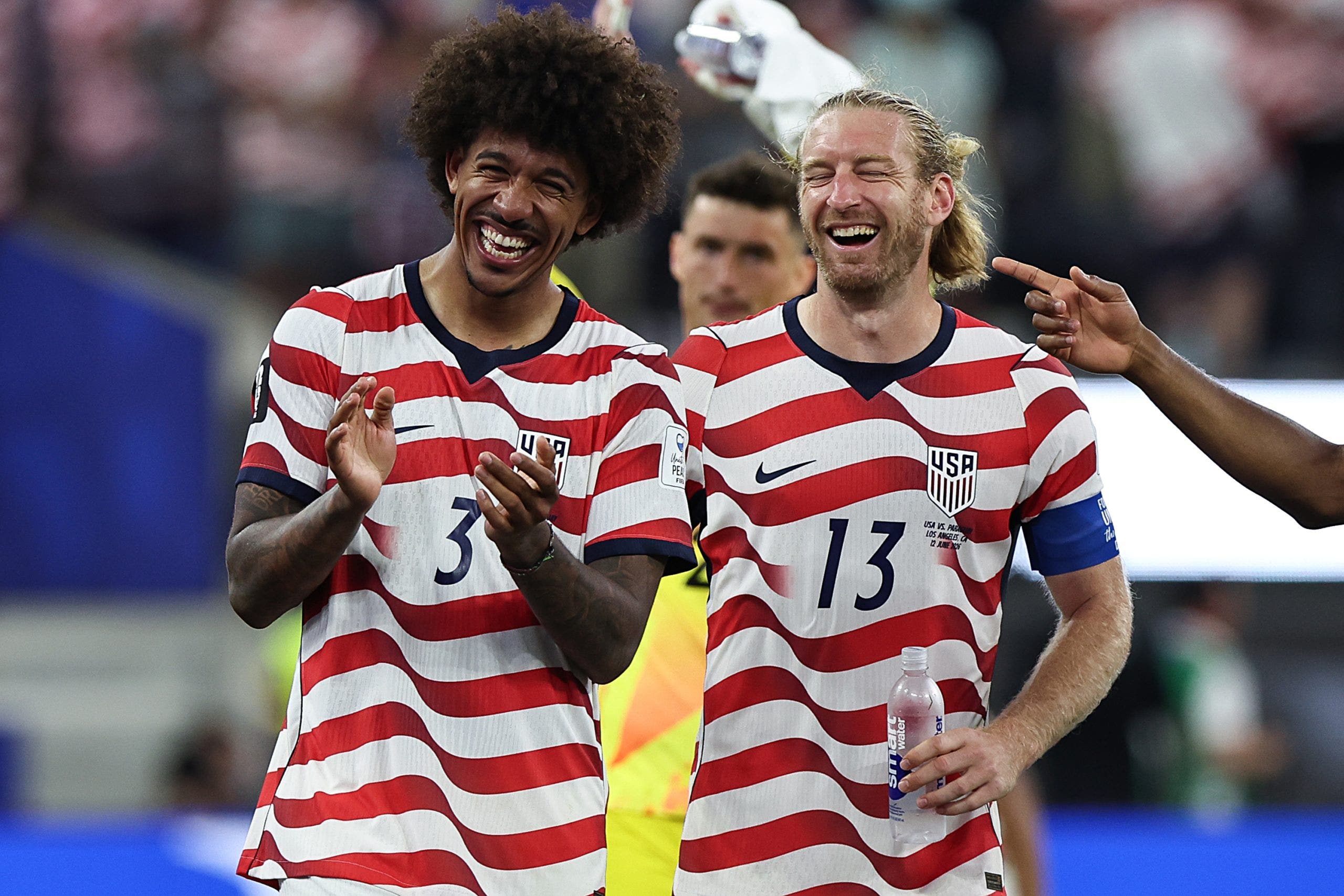
(Photo by Omar Vega/Getty Images)
The passing out of the backline was critical in breaking down Paraguay’s midfield. Chris Richards was 83/83 in his passing, while Tim Ream was more effective in his passing from distance. The 38-year-old captain has 102 touches and many of the team’s dangerous possessions began with him.
Ream and Richards have been playing together as a central defense pairing whenever healthy since Pochettino was hired. At the 2025 Gold Cup, the pairing was established, but current tactics we see at the World Cup were introduced in the fall.
Now 38, Ream can get exposed when he must cover a lot of space as he has lost a step. But the team plays differently with the ball than it does without the ball. In possession, the U.S. team has a three-man backline with wing backs pushed way up the field to almost make it a 3-2-5 formation, and this gives a player like Ream targets up the field.
But without the ball, the U.S. team shifts to a 4-2-3-1 formation that is difficult to break down and provides help for Ream on defense. The fullbacks come back, and Adams sits in front, thereby giving Ream less space to defend.
These tactics take time to develop and instill chemistry, but having the team together for weeks before the World Cup opener might have been a difference maker.
3. Alex Freeman’s Continued Growth
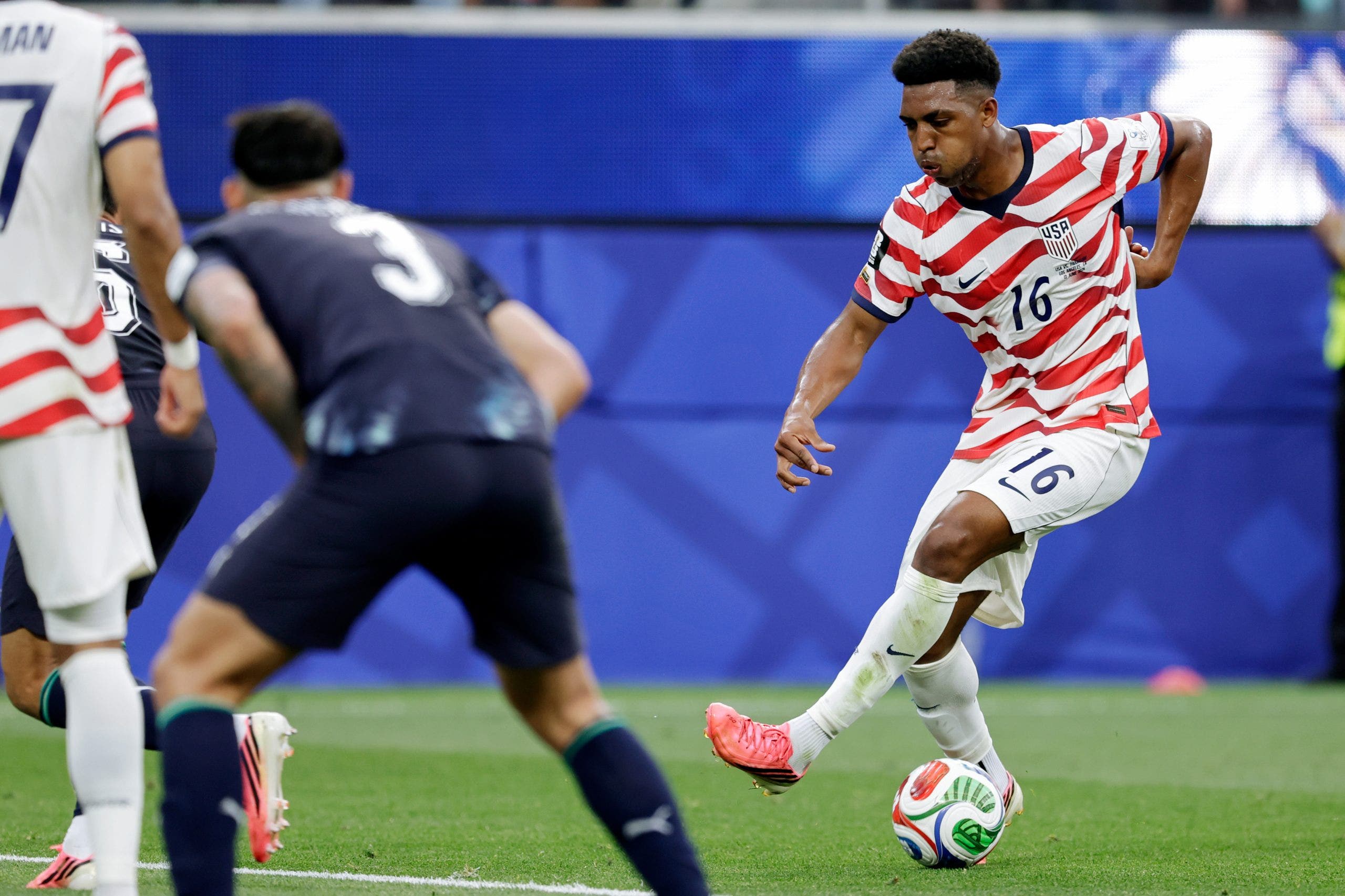
(Photo by Eric Verhoeven/Soccrates/Getty Images)
Exactly one year ago, Alex Freeman was less than halfway into his first season as a starter for Orlando City. Now in June 2026, Freeman is at Villarreal and is a World Cup starter. His development in 12 months has been phenomenal.
At the Gold Cup in 2025, Freeman was a straight right back in a 4-3-3 formation. Now he plays the hybrid defensive position that makes everything click. In possession, he is a central defender who occasionally can move forward, which is something he does well. Then, in defense, he is a traditional right back that is effectively able to defend top wingers.
Of course, Freeman has an elite level of athleticism, but his "soccer brain" is growing just as quickly. Against Paraguay, he looked fully ready to play his sophisticated role at the highest level.
4. Sergiño Dest As A Winger
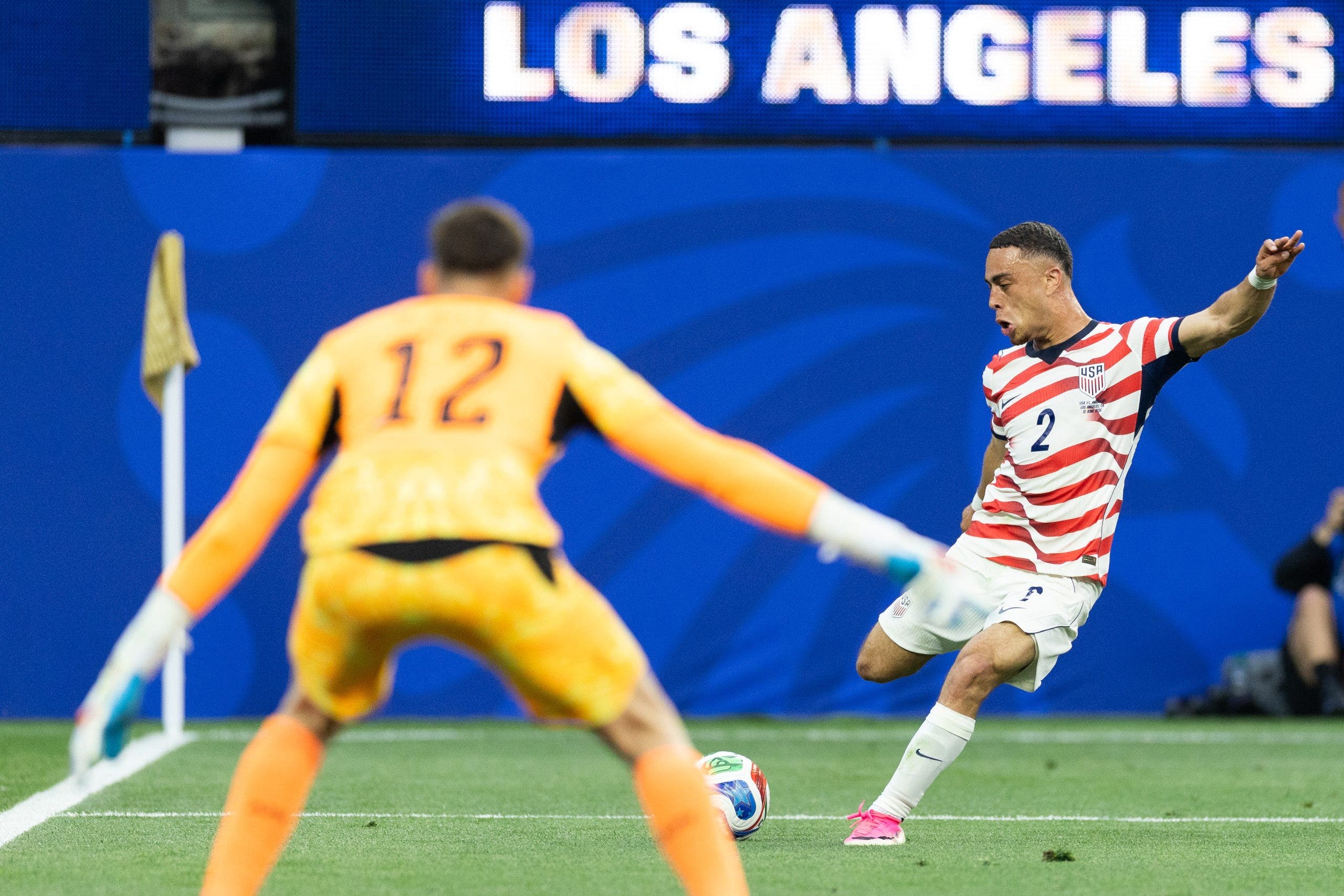
(Photo by Karl Anderson/Icon Sportswire via Getty Images)
Sergiño Dest plays as a fullback for PSV Eindhoven, where he has featured on both sides of the ball. But in the Eredivisie, PSV typically has a lot more talent than most of its opponents. When preparing for the World Cup, Pochettino must consider that the U.S. team will often be going against teams that are equal or superior in talent.
With that, Pochettino has moved Dest into a role where he has few defensive responsibilities and more attacking freedom. That was immediately apparent in the tune-up friendly win over Senegal. Dest is explosive with his dribble, he has a great shot, and he is effective running towards goal. At times, he can be a defensive liability.
This role allows Dest to play to his strengths, and he has developed solid chemistry with Freeman behind him.
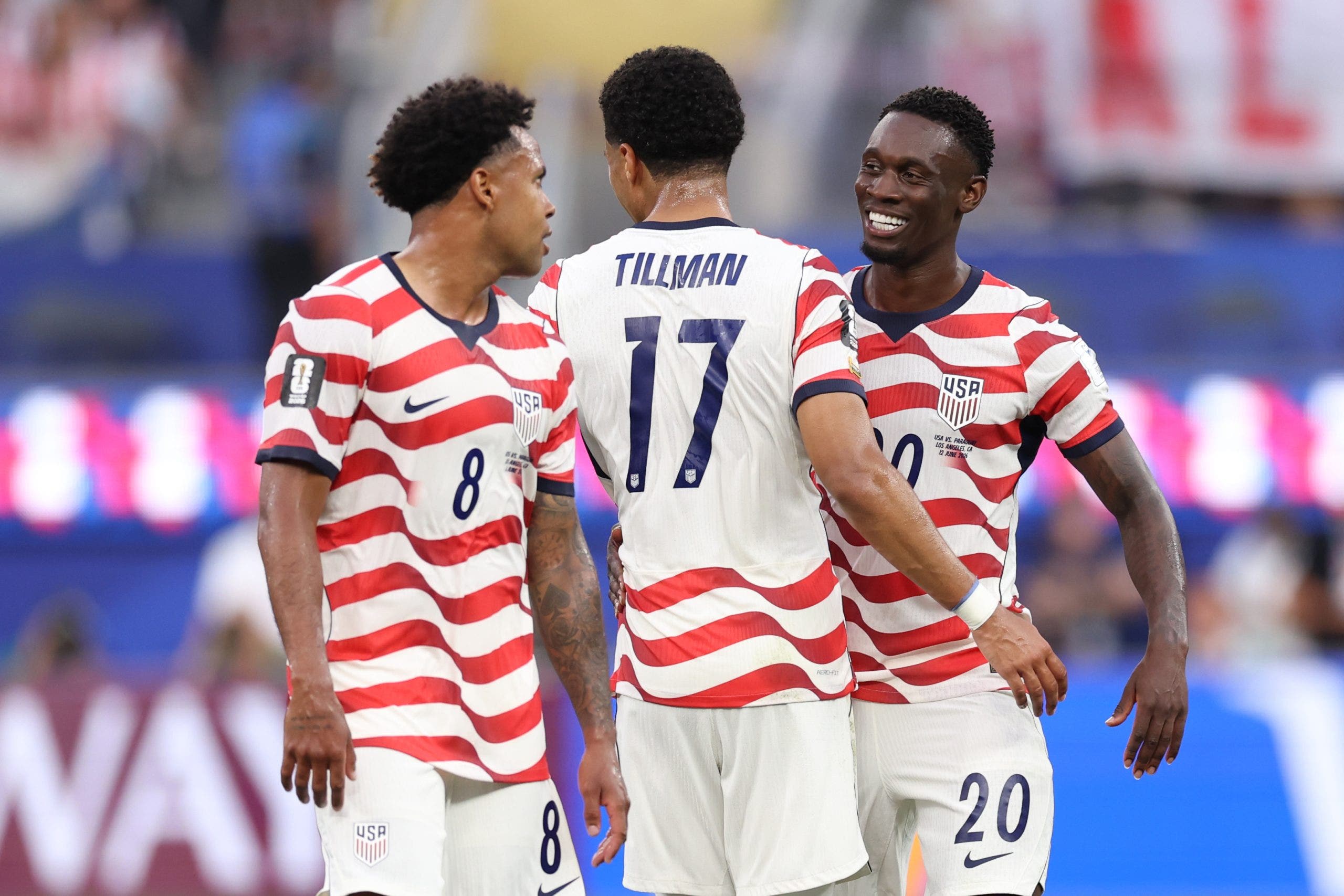
5. Weston McKennie's And Malik Tillman’s Roles
(Photo by Alex Livesey - FIFA/FIFA via Getty Images)
Typically, Malik Tillman has been seen as a playmaking No. 10 or occasionally as a winger for the U.S. team. Weston McKennie is the most versatile player on the team who has shifted around to various positions.
In the tune-up friendlies and now in the first game of the World Cup, Tillman has been playing deeper than he ever has with the team (alongside or just in front of Adams), while McKennie has the advanced playmaking position where Tillman used to play.
It has been a very successful tactical adjustment from Pochettino, and it gives the team a better link between offense and defense in Tillman, and it puts McKennie closer to goal where he has been better with Juventus.
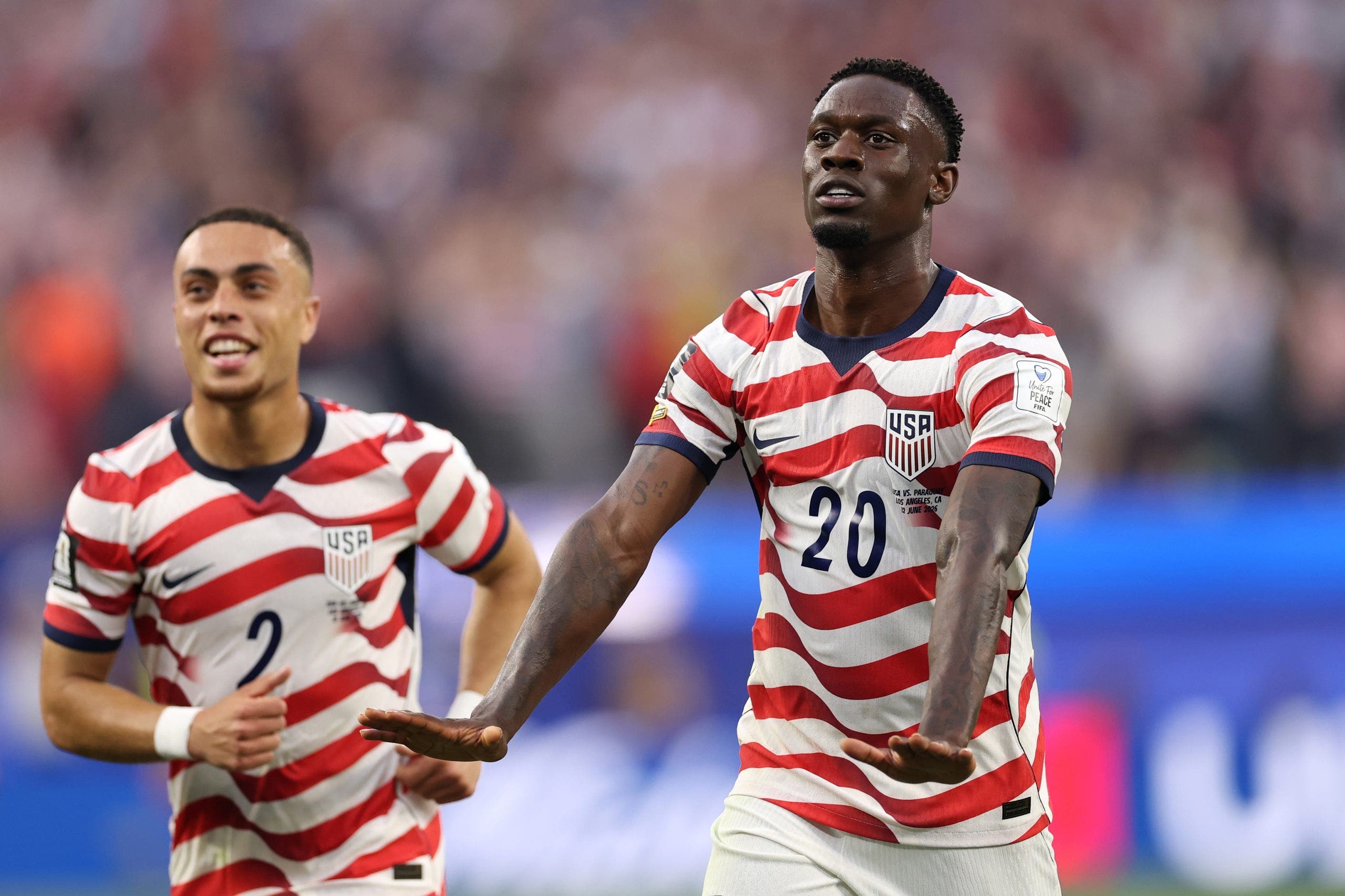
6. Getting Folarin Balogun The Ball
(Photo by Richard Heathcote/Getty Images)
With Folarin Balogun, Ricardo Pepi and Haji Wright on the team, Pochettino has the best striker trio the U.S. team has ever brought to a World Cup. Pepi and Balogun both came into this World Cup on the heels of seasons where they each scored 19 goals for their clubs, with both having scored in the Champions League.
Both Balogun and Pepi have different skillsets and different profiles. Pepi is smart in the box, reacts to plays very well, and offers a solid aerial threat. Balogun, meanwhile, is elite at running behind defensive lines and making runs into the box to take passes with ball at his feet.
Balogun’s style often depends on chemistry with his teammates, where they read his runs and know how to get him the ball in dangerous positions. That chemistry takes a while to develop and that was a major factor in why Balogun did not fully get going at Monaco until this season.
With the U.S. team, that chemistry seems to only now just be coming into fruition. The two goals he scored against Paraguay came from great passes from Christian Pulisic and Tillman. It might be that only now the U.S. team is learning how to play with Balogun in the same way that it took Monaco a similar amount of time.


.jpg?mbid=social_retweet)




 English (US)