
 2 hours ago
1
2 hours ago
1
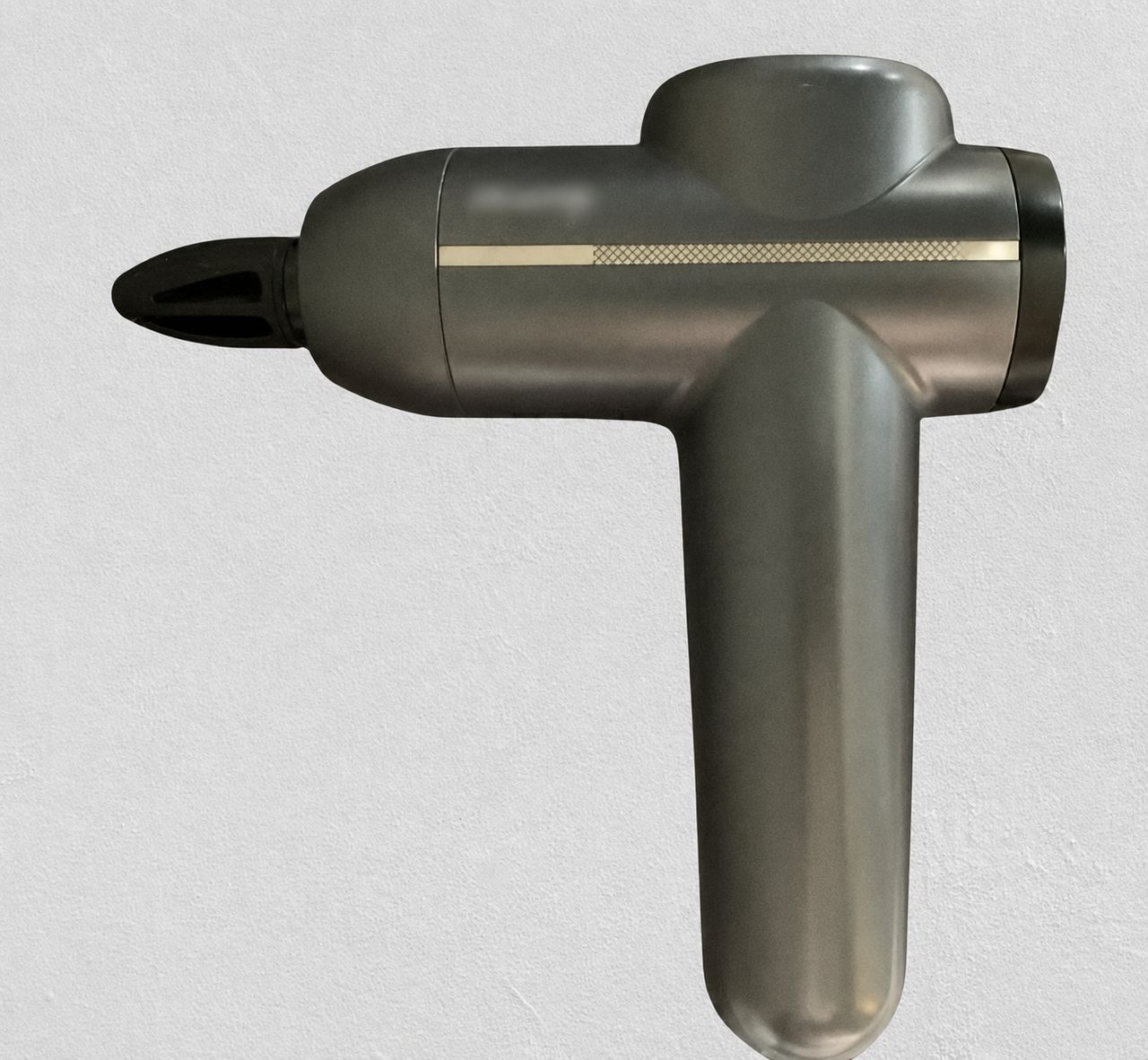
The massage gun with the small head attachment the man used.
The massage gun with the small head attachment the man used. Credit: BMJ Case Reports, 2026
Describing the man as a “hesitant historian,” the doctors said he eventually confessed to using the massage gun directly on and around both eyes on a weekly basis for three months to help with his eye fatigue. They noted that he did not have a history of psychiatric conditions or drug use.
Occular offense
The doctors acknowledged that percussive massage therapy may be helpful for some soft tissues, like muscles, with the vibrations possibly relieving pain, improving blood flow, and promoting relaxation. But it can demonstrably cause serious damage to the eyeballs.
The ill-conceived thwacking therapy likely caused all of the damage to the man’s eyes, the doctors concluded. The gun would have rapidly compressed the eyeballs back, causing them to squish out from the sides, which is thought to lead to retinal dialysis. Still, the doctors noted that the retinal dialysis was unusual because it was seen in the lower quadrant of the eye closest to the ear (inferotemporal quadrant). When retinal dialysis occurs from blunt trauma—like taking a fist to the eye, a more common cause of trauma—it usually occurs in the upper quadrant closest to the ear (superior temporal). Overall, the man’s case marks a first in scientific literature for how to injure an eyeball.
After identifying the injuries, the doctors used laser treatments to mend the retinal tears and rips and seal the break. At a six-month follow-up appointment, the man’s condition was stable without any deterioration. His vision was preserved, despite his injuries having a high risk of progressing to vision loss.
While his decision to put a massage gun to his eyes was highly questionable, he at least demonstrated good judgment in the aftermath, saving his sight, his doctors concluded. “This favorable outcome was likely due to the patient’s prompt presentation soon after noticing symptoms and the immediate initiation of treatment,” they wrote.




.jpg?mbid=social_retweet)



 English (US)